
"The team at Acceli rebuilt our name generator from the ground up with modern architecture and AI capabilities. Response times improved by 10x, and we can now iterate on features much faster. Professional, reliable, and technically excellent."
2-week sprint
Business software proof of concept in 2 weeks
We turn your idea into a clickable prototype, validate feasibility, and define a clear scope and next steps - so you can decide based on facts, not guesswork.
Clickable prototype
Initial UI and visual framework
Core architecture & platform decisions

25+
Sprints Delivered
92%
Go to Production
14
Days to Demo
Why this model works
In software projects, the biggest risk isn’t development speed - it’s ambiguity. The sprint reduces risk because we:
- Test scenarios (including edge cases), not just the happy path
- Compare approaches before committing (workflows, integrations, architecture trade-offs)
- Define metrics and decision criteria (baseline → target → validation)
- Scale only after we have a clear signal
Problems we solve
This is especially useful when:
Your team performs repetitive tasks that could be automated
Data lives in Excel/documents and managing it requires too much manual work
Different data sources don't “talk” and information gets copied between systems
You want better visibility into KPIs and business analytics (dashboards, reporting, decision support)
You're considering AI adoption but want measurable results - not hype
You have an idea for a new app or web solution and want to quickly know if it works
You're preparing a larger build or pilot and need a clear “what, why, how, and how big”
Typical use cases
Examples where a 2‑week sprint works especially well:
Internal tools
Process management, workflows, roles/permissions, data entry and quality control.
Data consolidation
APIs, existing systems, reporting - less duplication and less manual work.
KPI dashboards
Clear picture of status: metrics, trends, alerts, decision support.
AI assistant / knowledge search
Searches your documents and content for answers (RAG), responds consistently, and reduces time spent and mistakes.
Automated workflows
Email sorting, data extraction, validation checks and routing to the right people.
Pilot project
Limited scope, clear measurement, specific decision criteria for a larger project.
How we work
The 2‑week sprint gives stakeholders a shared understanding of scope, feasibility, and what a realistic next phase looks like.
1
Introduction and pre-analysis
1–2 meetings to map goals, users, constraints and success metrics. We align on what we will do - and what we won’t.
2
Prototype planning
Information architecture and flows. We design a clickable prototype structure and priorities (mobile + desktop if relevant).
3
Feasibility and architecture
Feasibility checks for platform/integrations (APIs, auth, data). If needed: roles and access model.
4
Measurement and validation
GA4 and/or initial events. We collect feedback (internal pilot or a small user group). For AI: scenario tests + quality/risk guardrails.
5
Demo and next steps
A shareable demo, a clear summary (what works / what doesn’t), and priorities + scope for the next phase.
What you get in 2 weeks
The sprint goal is to show whether the idea works, how to build it sensibly, and what a realistic next phase looks like.
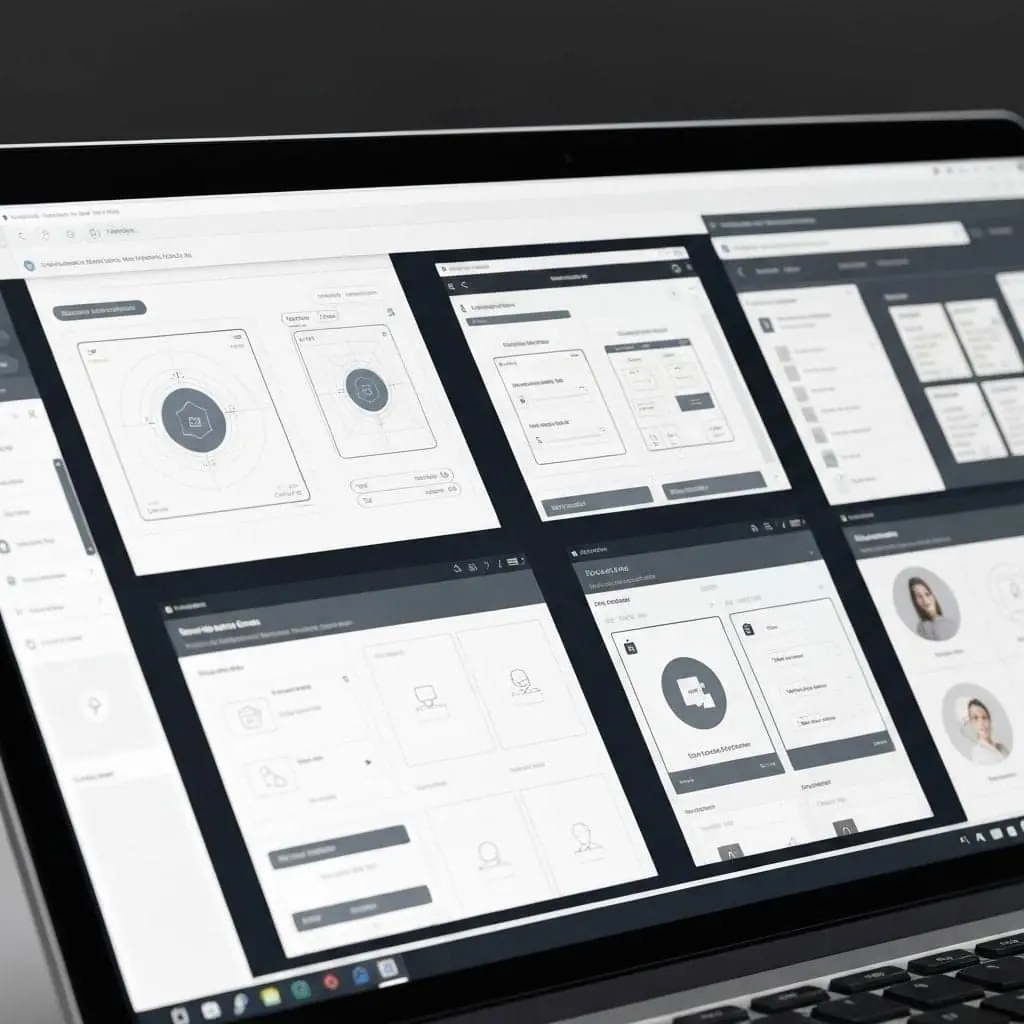
- Clickable prototype (mobile + desktop) with sample data
- Initial user interface and visual framework
- Core decisions on system architecture and platform
- One authentication method + initial role structure (if needed)
- Initial analytics (GA4) and metrics framework
- Optional AI integration (only if it improves outcomes)
- A shareable demo for internal alignment
What happens after the sprint
There are typically three sensible paths - we choose what fits your context for fastest value and lowest risk.
A
Fast rollout (MVP)
Goal: start collecting real user feedback and analytics as early as possible.
- Clear minimal scope
- Right metrics and events
- Iterate based on real data
B
More systematic build-out
When you need more alignment and certainty before implementation (integrations, business rules, security).
- Detailed analysis and technical specification
- Prototype refinement and additions
- Integrations, workflows, business rules
C
Don’t proceed (and that’s a good outcome)
If the sprint shows the risk is too high or the value doesn’t justify investment, you save time and budget.
- Clear rationale for the decision
- Learnings and alternatives
- Less sunk cost
Why Acceli
Our goal isn’t to “build more”. Our goal is to give you clarity and a working foundation.
Speed with discipline
Fast cycle, clear scope, clean handoff.
Evidence-based approach
Scenarios, comparison, measurement - decisions based on facts.
Systems thinking
We fit the solution to your workflows, data, and constraints.
Partnership
If the sprint succeeds, we can be your long-term development partner for scaling and operations.
Technology & integrations
We choose technologies based on your needs and existing systems.
ReactNext.jsTypeScriptNode.js.NETPostgreSQLFirebaseOpenAIClauden8nGA4Tailwind CSSReact NativeDocker
Modern web applications (React, Next.js, Vue, TypeScript) + Cloud & DevOps (AWS, Azure, Docker, CI/CD)
Selected work
Examples of projects that have helped clients grow and streamline processes.
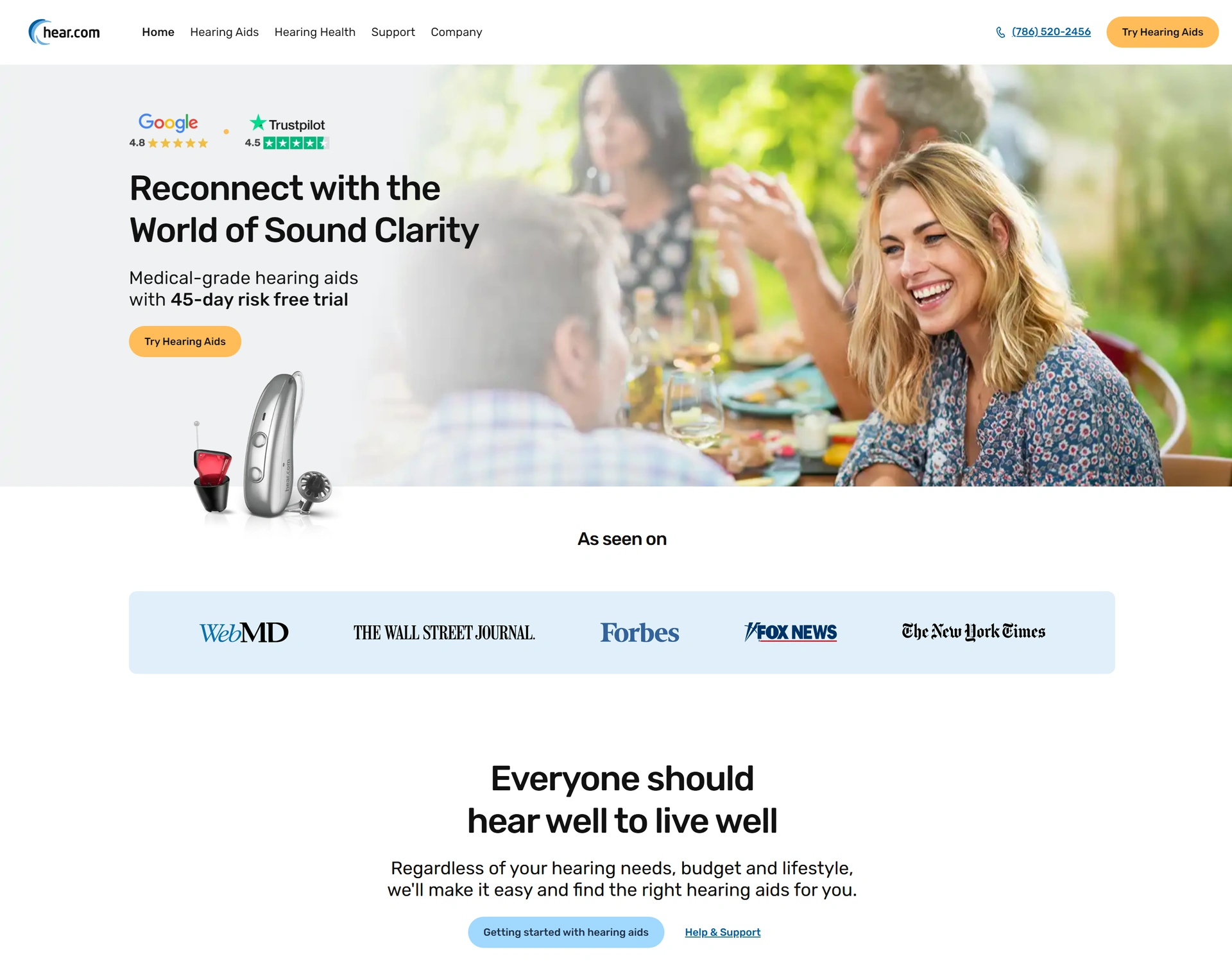
Hear.com
Miami, USA
Hearing Care Platform - HIPAA-Compliant Healthcare Portal
As part of the Hear.com team, contributed to a WCAG- and HIPAA-compliant hearing care experience for one of the largest hearing aid retailers in the US. Delivered prototyping and accessibility-first UX work, supported conversion-rate optimization and e-commerce improvements, and helped enhance internal tooling to streamline day-to-day operations.
UX DesignReactHealthcareAccessibilityHIPAA
55%
Bounce rate ↓
30%
Conversion uplift ↑
4.9
Customer rating
NameStation
Palo Alto, USA

Professional Domain Search Platform with AI
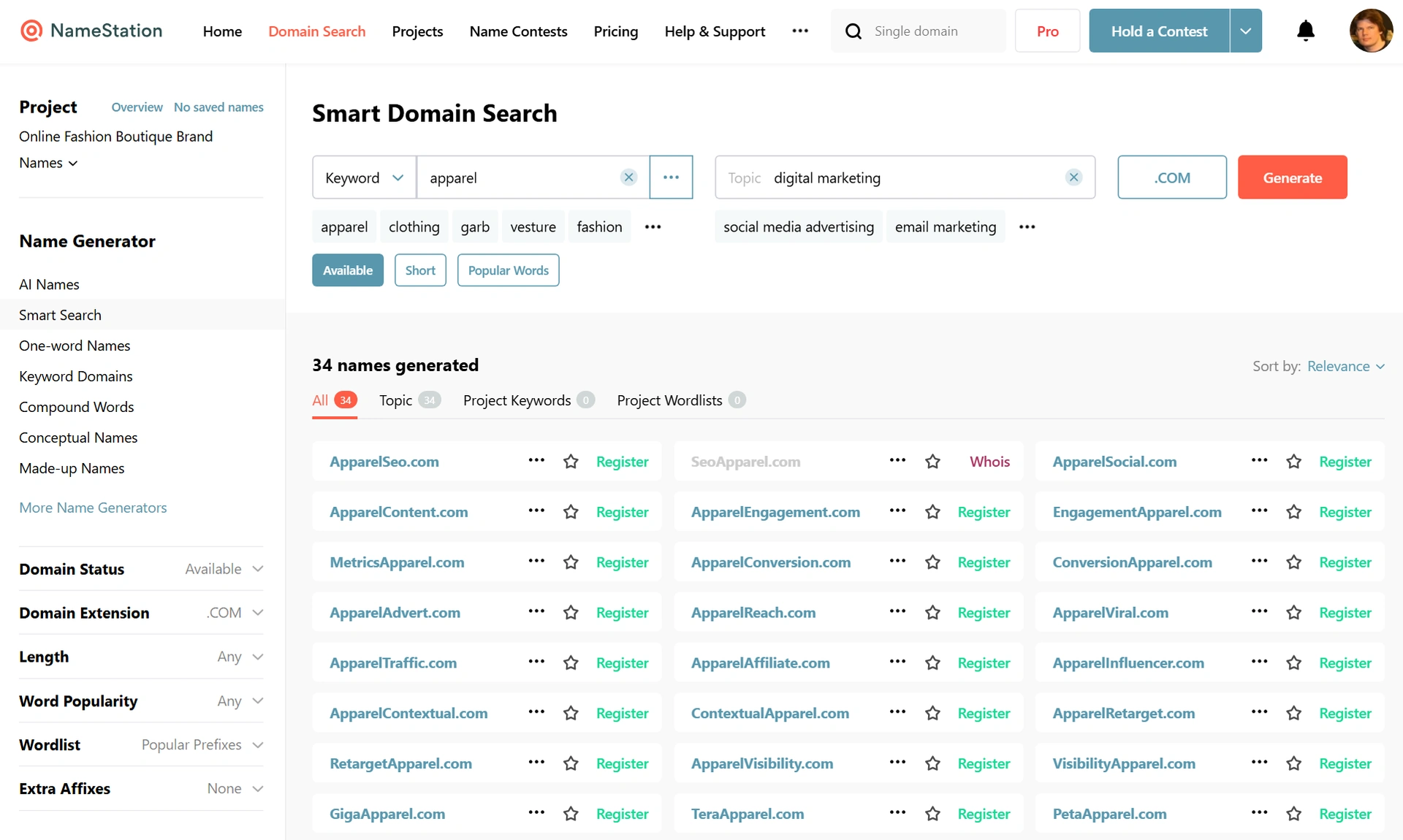
NameStation’s smart domain search uses AI to quickly find and choose domain names that fit your brand. The platform combines name generators, real-time availability checking, and SEO recommendations with name variations. The result is a smooth workflow where the team can gather ideas, filter through options, and evaluate domain candidates on a project basis.
ReactTypeScriptNext.jsAIMachine Learning
#1
SEO Ranking
78%
User Retention
2.2x
Revenue Growth
Soundbright
Miami, USA

D2C Ecommerce Platform - Hearing Aid Brand
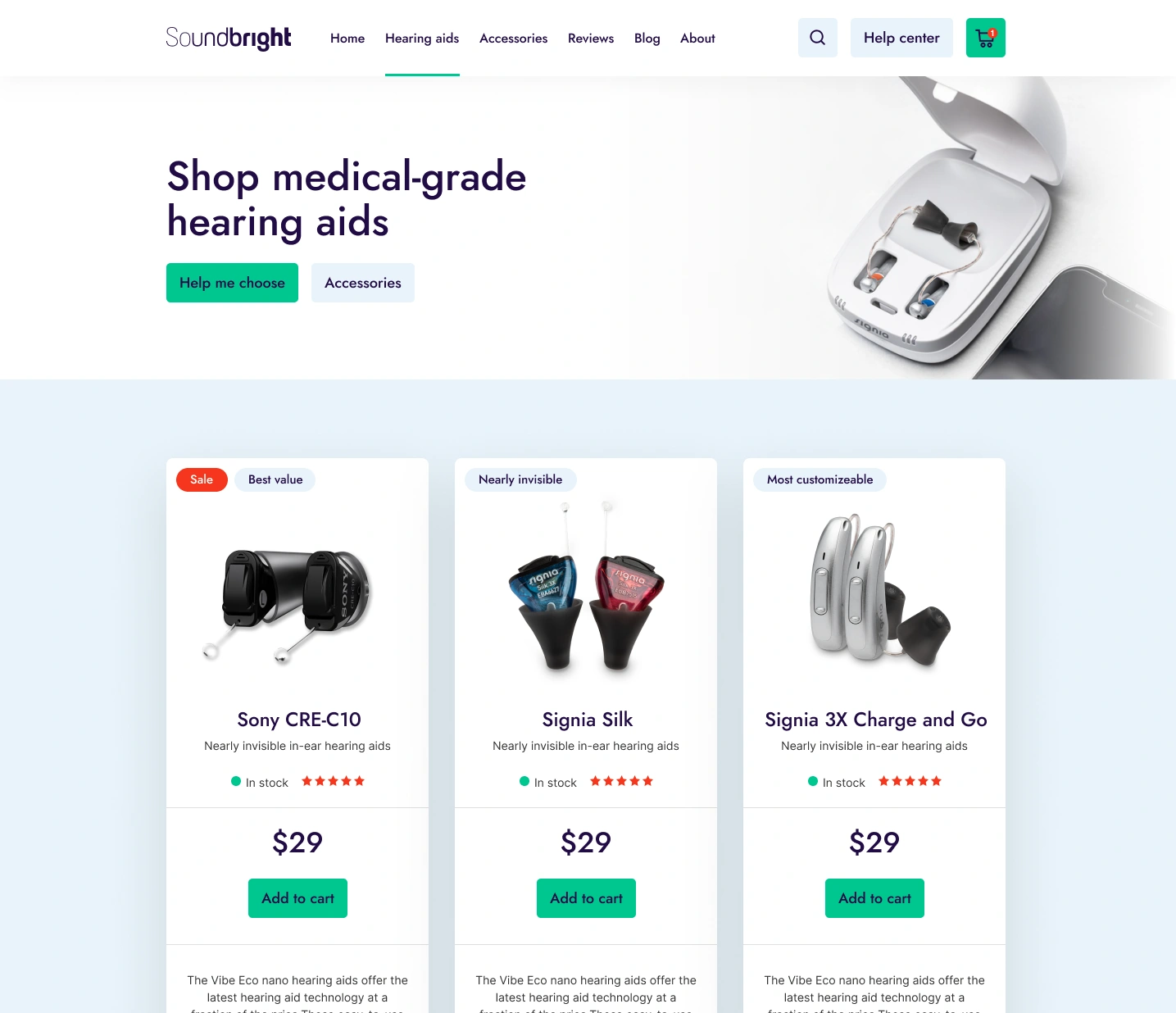
Designed and prototyped a D2C e-commerce experience on Shopify with clear user flows and conversion funnels.
UX DesignProject ManagementShopifyE-commerceConversion Optimization
42%
Conversion rate
65%
Repeat Purchase
4.6/5
Customer Rating
Frequently asked questions
Get in touch
We want to cover all your web development needs so you can focus on building and growing your business.

What to expect
- Response within 24 hours
- Free initial consultation
- Detailed project proposal
- No obligation to proceed